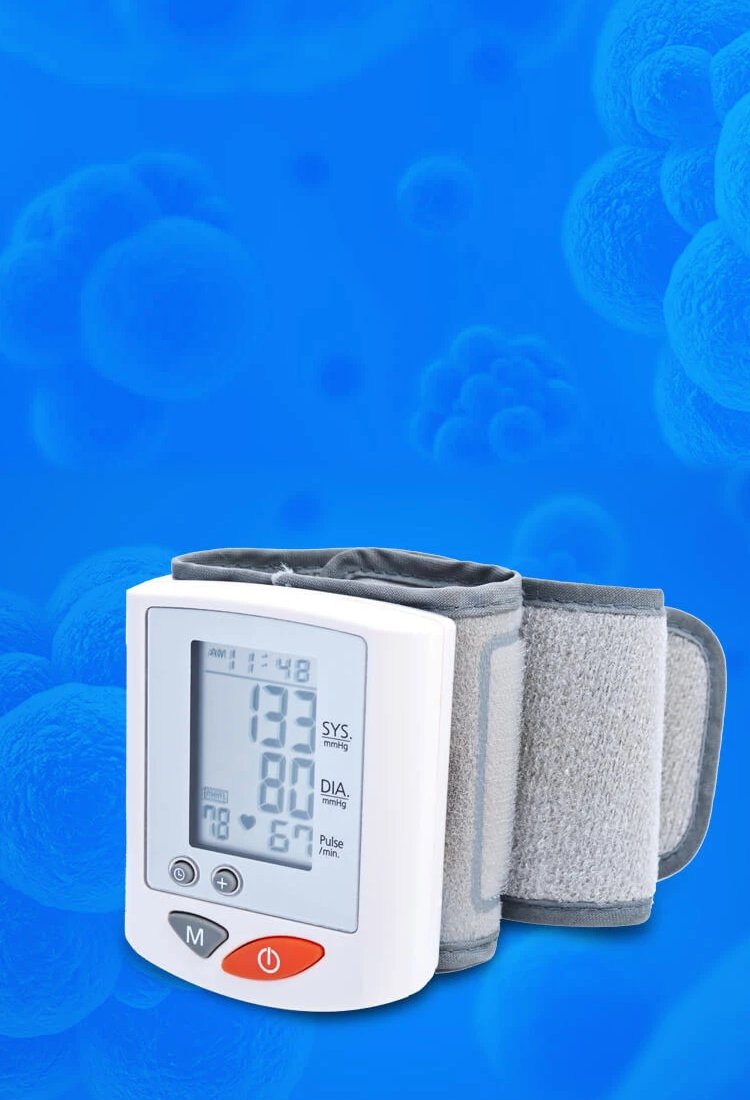
Kicking off each comprehensive survey on advanced hardware integration alternatives.
Durable silicone control pads supply a durable and adjustable alternative for input devices across a wide range of domains. The style typically involves producing liquid silicone rubber into a bespoke shape, granting for sophisticated geometries and included features. Primary merits include extraordinary thermal resilience, environmental durability, and a agreeable feel under physical touch. Applications are broad, from mobile controls and health-related equipment to production control frameworks and even home technologies. Their proficiency to endure rough atmospheres and afford unfailing performance makes them a favored alternative for many builders.
Bespoke overlay buttons: Personalizing device touchpads for device hardware
Invent keypad modules offer certain exclusive answer for optimizing the efficiency of tool's gadgets. Instead off-the-shelf selections, exclusive button structures allow accurate manipulation of vital capabilities. The said refinement involves display overlays, illumination, and built-in components, providing an simple plus long-lasting end-user engagement.
Visual covers: Refining style and effectiveness in apparatus construction
State-of-the-art equipment fabrication increasingly depends on graphic overlays to achieve a improved balance between style and effectiveness. These panels, often constructed of durable materials like polycarbonate or synthetic glass, can work as both a defense and a message carrier. Those overlays allow for the installation of elaborate images, markings, and even interactive elements. This system not only augments the overall visual aesthetic of the device, but also considerably supports its control efficiency.
- These panels can clarify operation.
- Control masks lower the risk of mistakes.
- Customization avenues are vast.
Flexible electronic tracks: The energy behind bendable devices in hardware
Elastic printed circuits (FPC) are an indispensable piece enabling the advancement of conformable equipment in current scenarios. The aforementioned slim layouts provide advanced capabilities in relation to conventional structured wiring, letting developers to assemble advanced items like wearables, treatment instruments, and multi-functional monitors that compel extreme shape conditions.Silicone rubber keypads vs. membrane switches: Determining the ideal interface
Finding ideal button technology obliges thorough analysis of exclusive use demands. Silicone resin keypads offer better response, sturdiness, and weather defense – resulting in them tailored for rugged settings. In relation, membrane controls generally constitute a affordable method, mainly for high-volume manufacture series. Silicone rubber keypads Still, membrane interfaces are capable of suffer from lower feedback and shortened durability, contingent on the class of constituents exploited.
- Silicone: Advanced tactile response.
- Membrane: Lower price.
Tailored Design Films for Product Branding and Longevity
Elevate customer's article's appeal and assure lasting protection with individually designed graphic overlays. These exclusive additions particularly enhance branding impact but also furnish a seal of endurance against scrapes. Envision incorporating custom imagery, designs and script to formulate a strong brand recognition while protecting the finish.
Embedding Bendable PCBs: Microelectronics for Peak Operation
Integrating thin imprinted platform (FPC) links represents a fundamental progress in current instruments, supporting unmatched reduction and superior capability. Those tiny constituents deliver a important benefit in markets covering from wearable hardware to therapeutic implants. Besides, FPC configuration allows for fine connections and packed channels, resulting in shrunk dimensions and refined transmission integrity. Visualize the possibility for fresh solutions exploiting the singular details of FPC methods.
- FPC's role in size reduction.
- Effectiveness in several markets.
- Customizable blueprints and pure data flow.
Durable keypads and switches: Preserving devices in rugged contexts
Industrial input devices and switches are essentially important for upholding consistent operation of tools in adverse environments. Such modules frequently withstand severe settings, resonance, humidity, and erosive substances, making resilience a primary requirement. Hence, makers design interface plans using superior materials like durable metallic substances and integrate protective structures to tolerate these stressful hardships and defend performance.
Membrane key and silicone button systems: Extensive device interface briefing
Crafting robust and user-friendly equipment interfaces necessitates careful consideration of various components; membrane switch and silicone rubber solutions consistently prove to be invaluable. Keypad technologies offer durable, sealed options for control panels and displays, delivering reliable operation even in harsh environments. The configuration flexibility allows for custom graphics and intuitive functionality, uniting aesthetics with performance. Silicone rubber, meanwhile, presents exceptional advantages for washers, tactile elements, and even complete housings. Its intrinsic resistance to temperature extremes, chemicals, and UV degradation guarantees longevity and reduces maintenance requirements. A complete equipment interface strategy frequently adopts both membrane switches and silicone rubber, tackling needs ranging from simple on/off actions to complex multi-function operations. Considerations should include feedback feedback, luminescence options, and overall endurance for optimal user experience and equipment safety.
- Membrane switch types : Graphic
- Elastomer usage : Seals
- Design factors