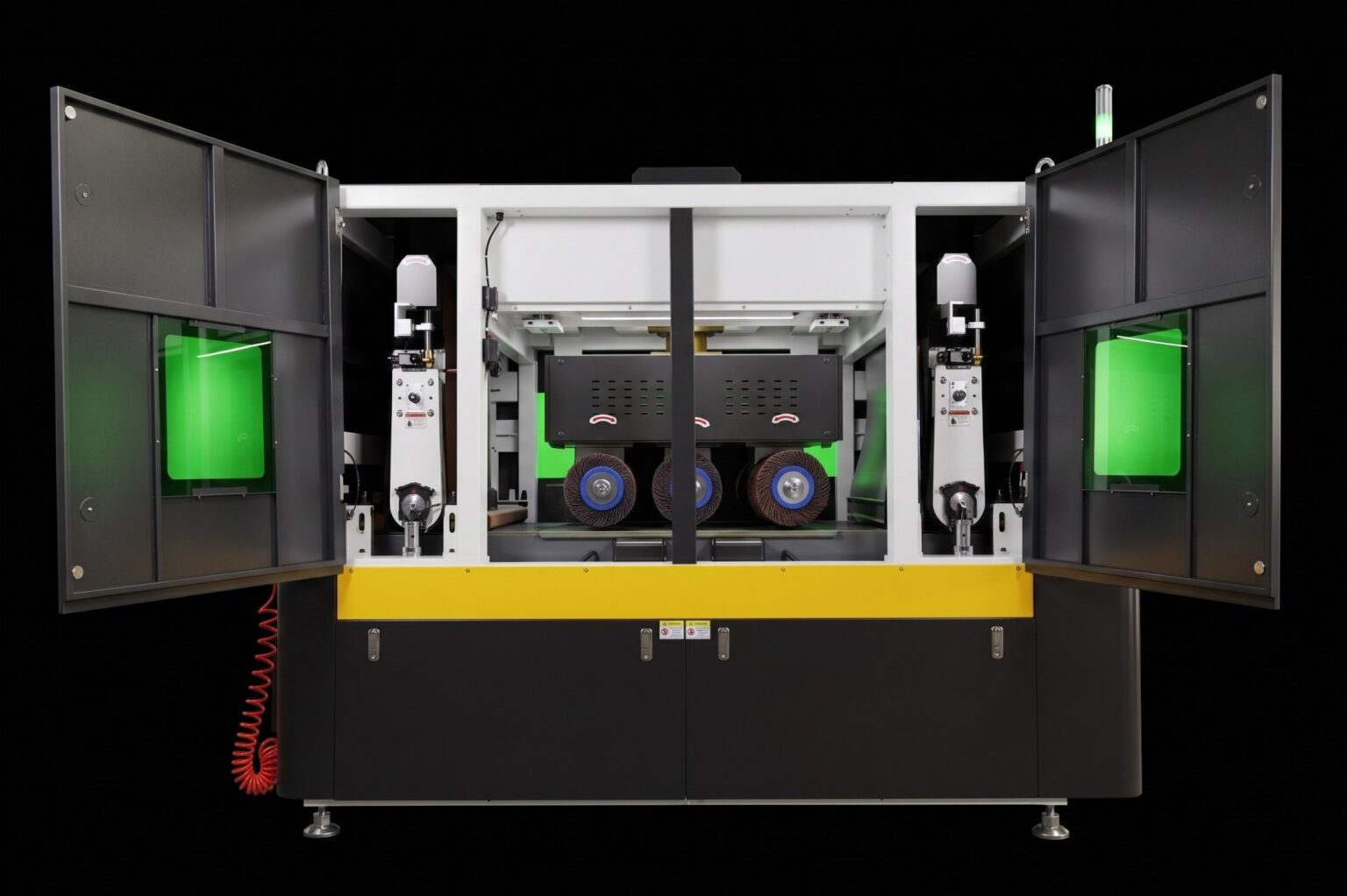
Launching such in-depth assessment pertaining to automated platforms produced optimized for edge smoothing possess transformed production processes, granting marked enhancements regarding speed and superiority. This analysis investigates the different types of automatic deburring equipment, embracing buffing polishing units, whirling mechanisms, and sophisticated intelligent technologies. We will address the gains of applying these advancements, including curtailed staffing outlays, better output accuracy, and enhanced workshop performance.
Profile Finishing Apparatuses: Precision Finalizing Explained
Rim rounding tools offer a refined solution for securing meticulous polishing on elements. Different from manual processes, these intelligent platforms provide stable products and considerably raise construction capacity. These devices usually implement different grinding appliances like whirling tips, lapping abrasives, or bespoke configurations to shed sharp edges and protrusions. This type of activity is pivotal in a ample selection of industries, such as automotive and technology.- Elevate face condition
- Diminish industrial expenditures
- Increase productivity and operation
Byproduct Disposal Apparatuses: Realizing Pristine, Excellent Coatings
Contemporary metalworking processes systematically give rise to significant amounts of scale, a byproduct that, if unremoved, can severely harm the appearance of the end result. Fortunately, advanced waste disposal devices offer a trustworthy solution. These tailored machines, employing techniques like blasting, are designed to completely eliminate this unwanted material, ensuring a unblemished and exceptional surface. The resulting positive effects include decreased rejection rates, improved aesthetic appeal, and an overall escalation in operational performance. By utilizing state-of-the-art slag removal technology, manufacturers can consistently deliver premium surfaces and achieve stringent norms.
Sheet Metal Enhancement: The Benefits of Deburring Mechanisms
Attaining a premium quality on sheet metal elements is imperative for efficiency, and deburring systems extend notable benefits over non-automated methods. Clearing burrs quickly not only elevates the overall quality of the entity, but also deters potential faults during manufacturing and functioning. Additionally, automated deburring approaches improve assembly rates and curtail workforce fees.
Optimizing Sheet Metal Production with Automatic Deburring
With the goal to enhance effectiveness in sheet metal fabrication, implement mechanized deburring technologies. Classic deburring is typically demanding and susceptible to fluctuations. Employing automated deburring presents significant improvements, encompassing lower employee charges, better item consistency, and amplified cycle times. These spending will efficiently generate profits.Picking the Best Deburring Tool for Your Endeavor
Finding the finest deburring apparatus for your customized needs is a detailed assessment of several parameters. Initially, review the sort of component you're controlling – iron requires different techniques than fiberglass. Subsequently, review the extent and structure of the segments needing edge finishing. In conclusion, contemplate your fabrication amount; a extensive operation entails a specialized type of instrument than a restricted one. Skipping to account for these aspects can lead to suboptimal results and higher investment.
Deburring Machine Method: Shifts and Upgrades
Fresh edge refining instrument operation is involved in rapid innovation, motivated by the calls for for augmented exactness and performance in fabrication operations. Significant shifts involve the combining of computerized tools for versatile edge-removal workflows, alongside refinements in cleaning procedure. We're in addition seeing a escalation in easily carried surface smoothing systems catering for focused functions, and new techniques like thermal burr elimination are receiving endorsement. The direction suggests towards strengthened association of surface refining machines within the networked plant environment.
Advancing Fabricated Section Integrity with Corner Rounding
Many assembling processes for copper parts introduce sharp edges, which can result in stress accumulations and deficiencies that reduce overall stability. Contour rounding, a simple yet powerful procedure, offers a straightforward solution. It requires slightly beveling the harsh edges of a segment during the machining stage. This lessens stress zones, heightens performance performance, and can reduce cracking. Benefits are further amplified when dealing with advanced shapes or parts subjected to substantial strain. Considerations include the suitable blend of the smoothed side and its effect on combination with other parts.
- Lowers Stress Accumulates
- Increases Endurance Resistance
- Stops Snapping
Residue Cleaning vs. Edge : Comprehending the Contrasts
As many engineers use the labels “slag processing” and “deburring” as if they were the same, they stand for distinct actions in metal production Precision Grinding activities. Edge smoothing focuses on clearing the sharp, often tiny, outgrowths created during forming operations—these are excess material of stock left on the unit. Impurity purging, conversely, addresses this remnant – typically a amalgam of residues – that forms during processes like casting. Essentially, deburring deals with excess borders, while slag extraction deals with these remains of a different procedure. To conclude, mechanized deburring and residuum removal apparatuses are fundamental components of modern metal fabrication that ensure premium finished products with reduced defects and improved efficiency.Concluding the examination underlines the major role of innovative automated deburring technologies in modernizing assembly specifications and empowering businesses secure augmented productivity and finish.