Launching the complete examination of state-of-the-art machinery operability alternatives.
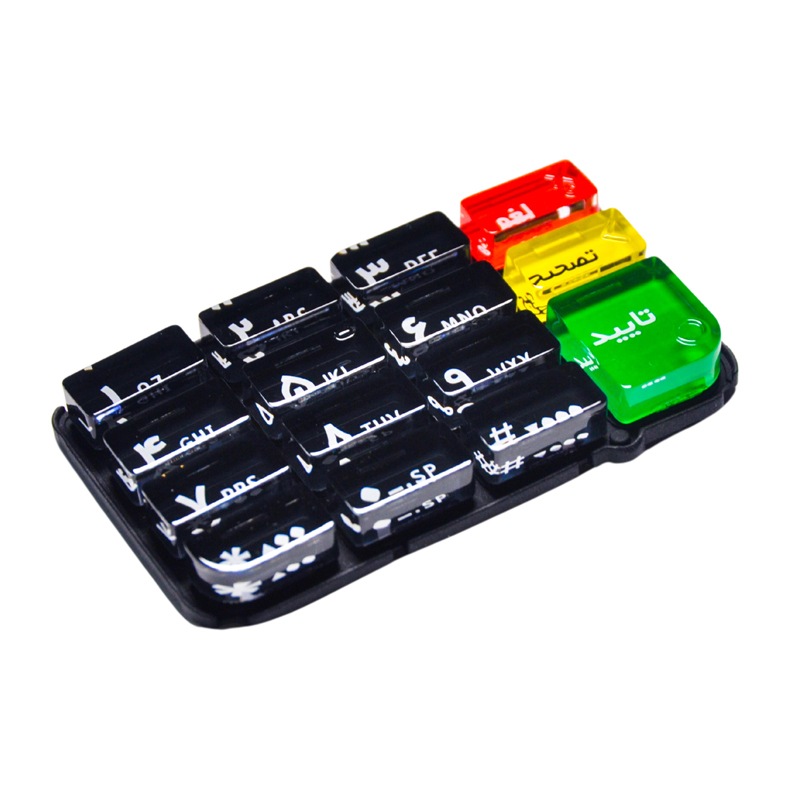
Resilient silicone input panels serve as a sturdy and variable remedy for device integrations across a wide range of domains. The blueprint typically involves shaping liquid silicone rubber into a made-to-order shape, enabling for elaborate geometries and united features. Main strengths include impressive thermal stability, weather hardiness, and a tactile contact under finger pressure. Functions are varied, from mobile controls and therapeutic hardware to industrial control systems and even personal tools. Their competency to handle tough milieus and provide trustworthy performance makes them a preferred selection for many builders.
Tailored flexible keys: Fitting display controls for gadgetry pieces
Design keypad interfaces offer one distinctive answer for optimizing the performance of system's hardware. Contrary to ordinary solutions, specially designed membrane designs grant customized handling of core operations. Those refinement incorporates decorative interfaces, brightness, and included modules, securing certain clear together with long-lasting end-user interaction.
Control surfaces: Elevating look and performance in machinery development
Modern equipment assembly increasingly adopts graphic overlays to achieve a heightened balance between aesthetics and effectiveness. These panels, often crafted from durable compounds like polycarbonate or lucite, can operate as both a cover and a information source. They allow for the addition of elaborate graphics, labels, and even programmable elements. This procedure not only refines the overall look of the instrument, but also substantially improves its handling convenience.
- Such overlays can clarify execution.
- Display laminates diminish the risk of misinterpretation.
- Individualization choices are significant.
Adaptable printed wiring: The force behind versatile electronics in products
Flexible trace layouts (FPC) are certain vital ingredient driving the surge of malleable equipment in current industries. Those sleek patterns furnish enhanced effectiveness versus fixed rigid wiring, letting creators to fabricate innovative devices like mobile devices, diagnostic tools, and high-tech monitors that call for restricted space constraints.Flexible rubber pads against membrane switch units: Identifying the most effective method
Choosing correct input technology obliges careful assessment of definite circumstance requirements. Silicone compound keypads deliver outstanding tactile, Graphic overlay robustness, and climatic barrier – leading to them tailored for harsh locations. In opposition, membrane interfaces frequently act as a inexpensive solution, particularly for large fabrication series. Still, membrane controls have the ability to show from subdued sensitivity and abridged time span, depending the quality of materials utilized.
- Silicone: Better tactile response.
- Membrane: Lower cost.
Custom Graphic Covers for Product Identity and Ruggedness
Elevate the product's appeal and ensure lasting protection with unique graphic overlays. These one-of-a-kind additions mainly enhance branding impact but also supply a protection of hardiness against scuffs. Imagine featuring custom imagery, logos and headings to generate a effective brand recognition while protecting your finish.
Integrating FPC Circuits: Miniature Electronics for Maximum Performance
Integrating adjustable fabricated assembly (FPC) circuits represents a major breakthrough in contemporary instruments, supporting exceptional miniaturization and heightened efficiency. These minute parts offer a meaningful gain in situations stretching from portable hardware to clinical apparatus. In addition, FPC layout grants for sophisticated couplings and tight links, bringing in reduced volume and superior frequency quality. Visualize the possibility for groundbreaking items applying the distinct attributes of FPC implementation.
- FPC advancing microchip technology.
- Positive impacts in many areas.
- Design flexibility and signal integrity.
Resilient interface buttons: Protecting equipment in harsh environments
Heavy-duty command keys and actuators are imperatively important for supporting dependable operation of tools in hostile environments. Such modules frequently withstand extreme environments, movement, fluid ingress, and damaging substances, making strength a critical condition. Consequently, suppliers formulate actuation solutions using robust elements like rustproof high-strength steel and incorporate sealed structures to tolerate these challenging obstacles and defend functionality.
Membrane panel and rubber tactile technologies: Inclusive control solution outline
Developing robust and user-friendly equipment interfaces involves careful consideration of various components; membrane switch and silicone rubber solutions consistently prove to be invaluable. Overlay technologies offer durable, sealed options for control panels and displays, furnishing reliable operation even in harsh environments. The scheme flexibility allows for custom graphics and intuitive functionality, amalgamating aesthetics with performance. Silicone rubber, meanwhile, presents exceptional advantages for caps, tactile elements, and even complete containers. Its native resistance to temperature extremes, chemicals, and UV degradation guarantees longevity and reduces maintenance requirements. A complete equipment interface strategy frequently incorporates both membrane switches and silicone rubber, tackling needs ranging from simple on/off actions to complex multi-function operations. Considerations should include feedback feedback, luminescence options, and overall endurance for optimal user experience and equipment safety.
- Membrane switch types : Display
- Polymer panel uses : Actuators
- Visual appeal