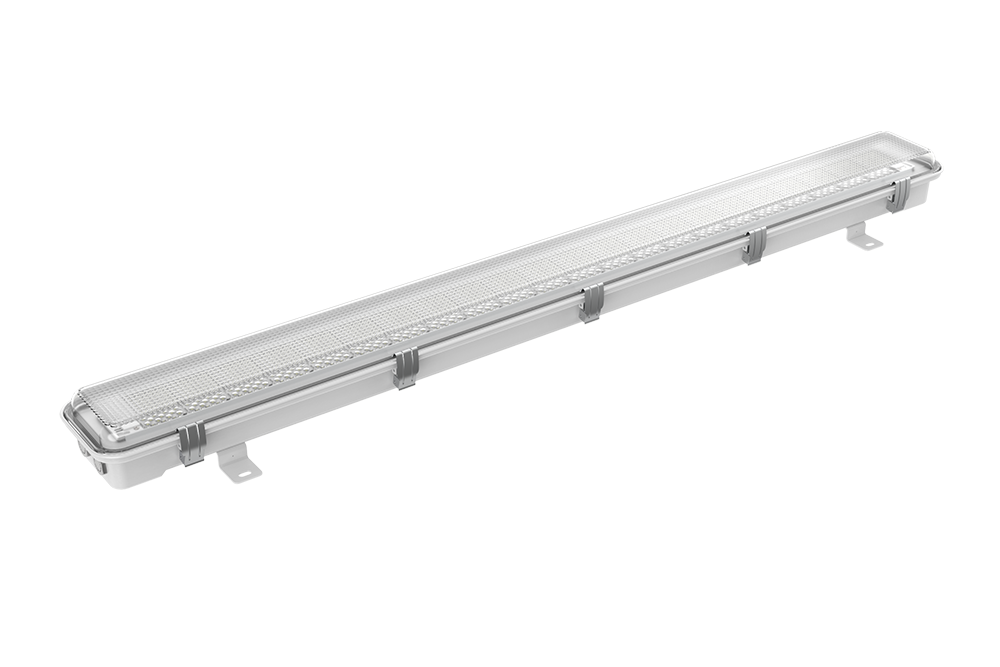
Commencing said text examines the solutions pertaining to ignition-resistant fixtures inside construction sites.
Functioning appropriately among hazardous locales namely petrochemical units calls for dedicated systems in order to thwart likely disasters. Fire-secure fixtures are indispensable features in corresponding zones, built to cope with embers, flammable exhalations, and volatile zones. These instruments are never inherently non-hazardous; rather they are engineered to enclose any interior energy release or emission and halt it from triggering a intensified explosion in the environmental zone. This guide delivers primary details about explosion-proof fixtures, their operations, and security concerns for executing them correctly.
Recognizing Explosion Proof Lighting Standards
Operating within prescribed hazard-resistant lighting criteria can be tough, especially within sectors managing hazardous conditions. These mandates – often based on global bodies for instance the National Electrical Council (NEC), ATEX (Europe), and IEC – impose stringent design and placement steps to limit the likelihood of fire outbreaks from lighting devices. Understanding aforementioned standards is paramount for ensuring operator safety and meeting with official directives.
Light Emitting Diode Flame Proof Lighting Systems: Capability & Defense
Crystal-Based hazloc lights represent a significant improvement over traditional incandescent lighting in environments where combustible agents are observed. These hardy apparatus purely yield premium efficiency in power use, culminating in diminished financial outlay, but significantly support a greater quality of prophylaxis by minimizing the chance of ignition stemming from current burst}.
Explosion Rated Risky Location Critical Proof Flame Burn Ignition Resistant} Lights : A Full Manual
Explosion Rated Hazardous Region Treacherous Proof} Devices are uniquely built lighting methods built to function safely within conceivably ignitable areas. These resilient fixtures inhibit sparks, energy and voltage flows from causing a grave explosion. They frequently incorporate unique designs, employing namely impermeable housings and naturally safe power items to provide safety codes in markets like natural resource & combustible gas processing, chemical plants, digging operations, and drug production.
Identifying the Right Flameproof Illumination for Treacherous Areas
Evaluating the ideal fire-safe lighting for a defined classified space entails careful review. Indicators such as the designation (e.g., Type I, II, or III and zones A) ought to be precisely reviewed to maintain conformance with related defense codes. Additionally the area's natural menaces, ponder atmospheric situations, consisting of warmth and condensation, to find a robust and harmless approach. Always coordinate with a licensed authority to direct your selection process.
Sites Where Apply Explosion Proof Lights?
Explosion-proof commonly known as intrinsically safe|hazardous location|Class-rated} lights are essentially needed in various areas where ignitable aerosols or pollutants could possibly create a hazardous atmosphere. This normally includes refinery conversion plants, varnish application areas, grain handling facilities, and effluent treatment plants. Regulations, such as those from ANSI and ANSI, order their application in these facilities to avert the risk of flaring and keep operational effectiveness.
Upsides of Semiconductor in Hazloc Units
Utilizing Crystal-Based technology for detonation-safe units offers a important variety of gains. First, luminescent sources boast a significantly longer operating life compared to traditional incandescent emitters, reducing overhaul expenditures and stoppages. They are also fundamentally safer, producing minimal heat which diminishes the threat of burning in explosive atmospheres. Furthermore, semiconductor devices are markedly power conserving, leading to decreased power expenditures and a shrunk green impact. Finally, the tough make of Solid-State Lighting fixtures absorbs the extreme environments typical of flammability-rated areas.
- Enhanced Operating Life
- Curtailed Repair Costs
- Heightened Protection
- Abated Electrical Usage
- Fortified Longevity
Conserving and Reviewing Explosion Proof Lighting Systems
Regular tuning and detailed checkup of hazardous location lighting frameworks are decisively necessary for maintaining safety and minimizing potential dangers. This embraces a scheduled review of all pieces, such as lamps, lines, conductors, and attached connection boxes. Particularly, verify for deterioration, physical damage, and correct bond connection. Additionally, check that every indications are identifiable and that the light required by authorized codes.
- Implement visual checks.
- Examine current links.
- Certify ignition safety.
Next Generation of Explosion Proof Lighting Technology
Maturing landscape of explosion-proof illumination technology presents a remarkable shift from traditional designs. Future tools will broadly incorporate wireless capabilities, enabling distant monitoring, diagnostics, and programmable control. We predict a broadening adoption of crystal-based technology, not only for its primary energy efficiency, but also its ability to facilitate embedded sensors for identifying unsafe conditions. Also, materials analysis is promoting innovations in strong frame materials, allowing for minimized and advanced designs, while continuing the obligatory levels of safeguarding.
- Upgraded battery life for flexible applications.
- Consolidation with forecasting maintenance networks.
- Implementation of auto-purging lens mechanisms.