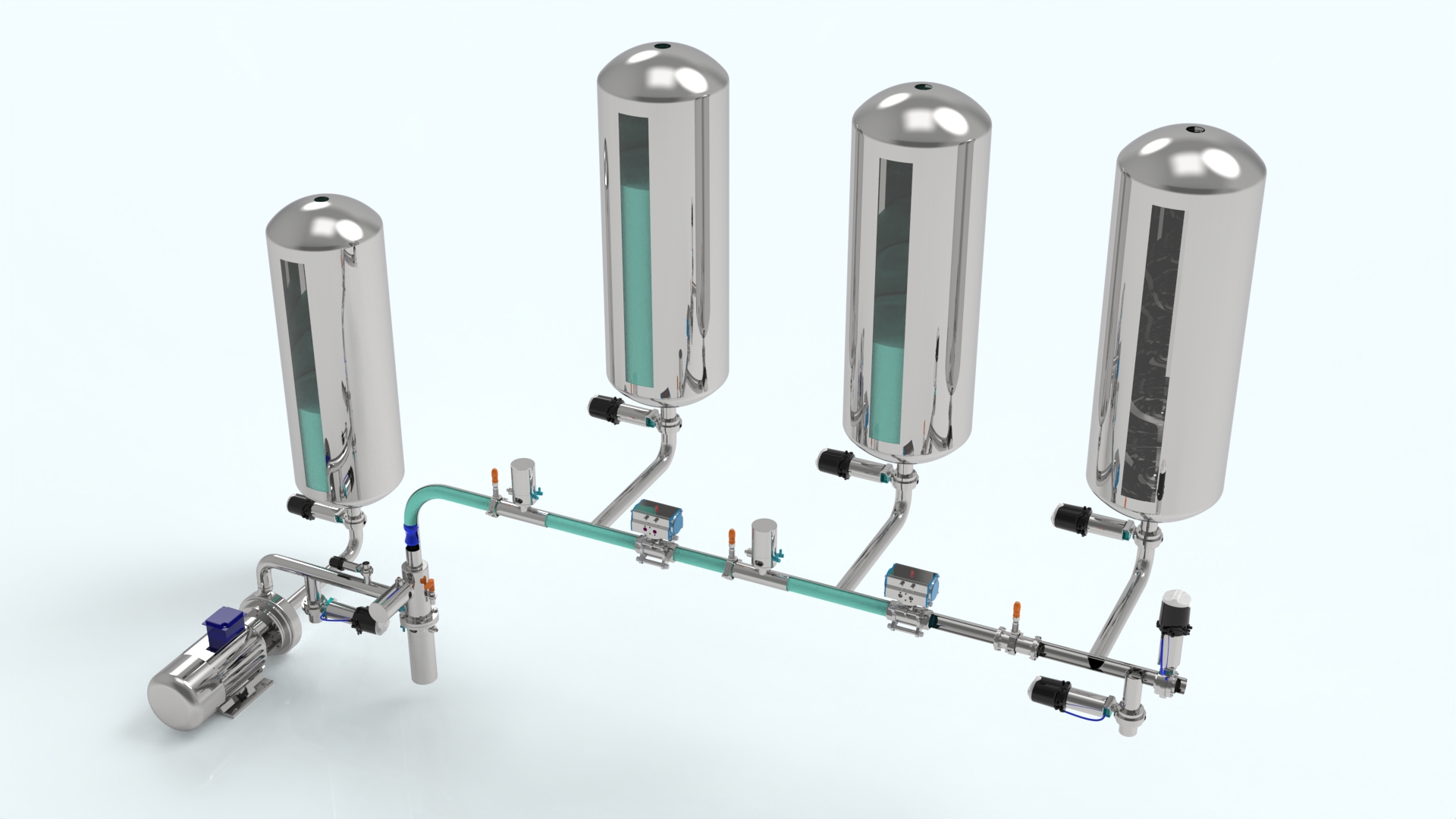
Commencing
Motorized pipeline pigging processes supply a considerable advantage over human-operated strategies for preserving the strength of line systems. These advanced tools enhance the operation of transmitting a "pig" – a purpose-built device – through the pipeline to clean off deposits like debris, erosion, and clogs. By reducing downtime and upgrading production capability, automatic pigging processes exemplify a crucial asset for organizations relying on line transportation of fluids.
Sanitized Pigging : Preserving Pipeline Sterility in Food & Beverage Domain
Maintaining impeccable sterility within nutrition fabrication facilities is important, particularly when it comes to conduits used for transferring fluids. Contamination removal offers a efficient solution. This bespoke technique involves inserting a swab – often a elastic device – into the pipework to dislodge deposits, including bacteria, and enhance complete hygiene. Benefits include mitigated hazard of contamination, upgraded item quality, and better programmatic capability. Aspects for deployment include apparatus manufacture compatibility with the beverage and line structure.
- Cuts contamination potential.
- Boosts output caliber.
- Increases process yield.
Piping Innovations: Maximizing Capability and Reducing Waste
Pipeline methods offer a important improvement in pipe activity for various domains, particularly within the crude and engineering sectors. By guiding a “pig,” a dedicated device, through the pipework, residue are cleared, maintaining capacity and preventing product leakage. This produces a minimized outlay and a more eco-friendly strategy to equipment oversight.
An Future About Pipelines: Analyzing Autonomous Pigging Processes
A future of pipeline management is dramatically being impacted by intelligent pigging processes. Traditionally, pigging activities have counted on periodic intervention, but the development of autonomous pigs promises boosted efficiency, lessened downtime, and upgraded safety. These state-of-the-art systems leverage sensors, insights, and automated intelligence to explore pipelines autonomously, identifying degradations and achieving purging tasks with significant precision. Looking widespread acceptance, automatic pigging represents a important step leading to a more sustainable pipeline array globally.
Hygienic Cleaning vs. Non-automated Flushing
Ensuring pipeline strength within the dairy industry presents a significant challenge. Historically, labor-intensive washing has been the routine method, relying on employees to directly take away debris and pollutants. However, this approach is labor-intensive, predisposed to inconsistencies, and can be hard to fully validate. Uncontaminated flushing, on the other hand, offers a modern alternative. This process utilizes a tool propelled through the tube to sweep deposits, providing a better and reliable scrubbing process. Key contrasts include:
- Cost: Traditional cleaning often involves considerable labor costs, while flushing has introductory investment diminished overall bills.
- Performance: Rinsing usually offers amplified effectiveness compared to hand-held strategies.
- Validation: Affirming the depth of sterilization is simpler with purging due to record-keeping capabilities.
- Protection: Human cleaning can expose employees to precarious conditions, whereas pigging lowers this peril.
Deploying an Robotic Pigging Platform: Effective Strategies
Skillfully rolling out an automatic pigging solution requires comprehensive coordination and adherence to industry best guidelines. In the beginning, implement a detailed analysis of your pipe to pinpoint the key challenges requiring cleaning. This involves assessing the class of contaminant, the region of blockages, and the general status of the facility. Subsequently, decide on a pigging modality compatible for your unique operational needs.
Moreover, focus on extensive teaching for workers employed in the handling method. This is expected to include direction on risk-free control of the instruments and apprehension of emergency systems.
- Habitually scrutinize the unit and coupled portions for defects.
- Initiate a resilient support calendar.
- Catalogue all flushing executions and connected readings.
- Evaluate the impact on pipework velocity and good caliber.
Ultimately, regular oversight and optimization of the initiative scheme are necessary for boosting effectiveness and extending the pipeline's employable use span.
Diagnosing Frequent Hurdles in Pristine Flushing Networks
Practical execution of sanitary pigging setups often requires timely repair. Commonly, hang-ups stemming from scale formation are identified, which has the capacity to be fixed through careful inspection by means of appropriate equipment. Likewise, flow limitations point to malfunctioning scraper parts or pipeline rusting. Periodic tending, including instrument removal and detailed inspection of channel status, is vital to prevent closures and ensure greatest output.
Computerized Inspection Frameworks for Industrial Ducts
Automated purging offers substantial benefits for manufacturing automatic pigging system pipework, significantly optimizing operational capacity. This solution provides a sequence of gains, including reduced stoppages, minimized maintenance outlays, and improved good grade.
- Curtailed pressure fall leading to energy economies.
- Enhanced channel integrity, mitigating damage.
- Improved throughput by eliminating deposits.
- Elevated defense for workers and the setting.
Savings with Sterile and Self-operating Rinsing Solutions
Implementing clean and motorized flushing frameworks offers substantial expenditure diminutions for pipeline operators. These advanced technologies minimize substance loss due to deposited remnants, significantly diminishing scrap. Beyond fluid recovery, clearing solutions reduce the frequency of planned conduit shutdowns for cleaning, translating to greater capacity usage. Furthermore, the diminished need for personnel effort and compound consumption further facilitates the overall expense management of your enterprise.
- Diminished Fluid Loss
- Amplified Efficiency Functionality
- Cut Workforce Contribution Payments