Commencing
Automated pipe purging technologies provide a major plus over conventional techniques for upholding the stability of pipework. These sophisticated instruments accelerate the process of transmitting a "pig" – a purpose-built device – through the duct to eradicate deposits like mineral build-up, corrosion, and restrictions. By lowering downtime and strengthening running efficiency, automatic pigging tools embody a crucial allocation for businesses relying on pipeline transportation of compounds.
Sanitary Clearing : Ensuring Tube Purity in Nutritional Market
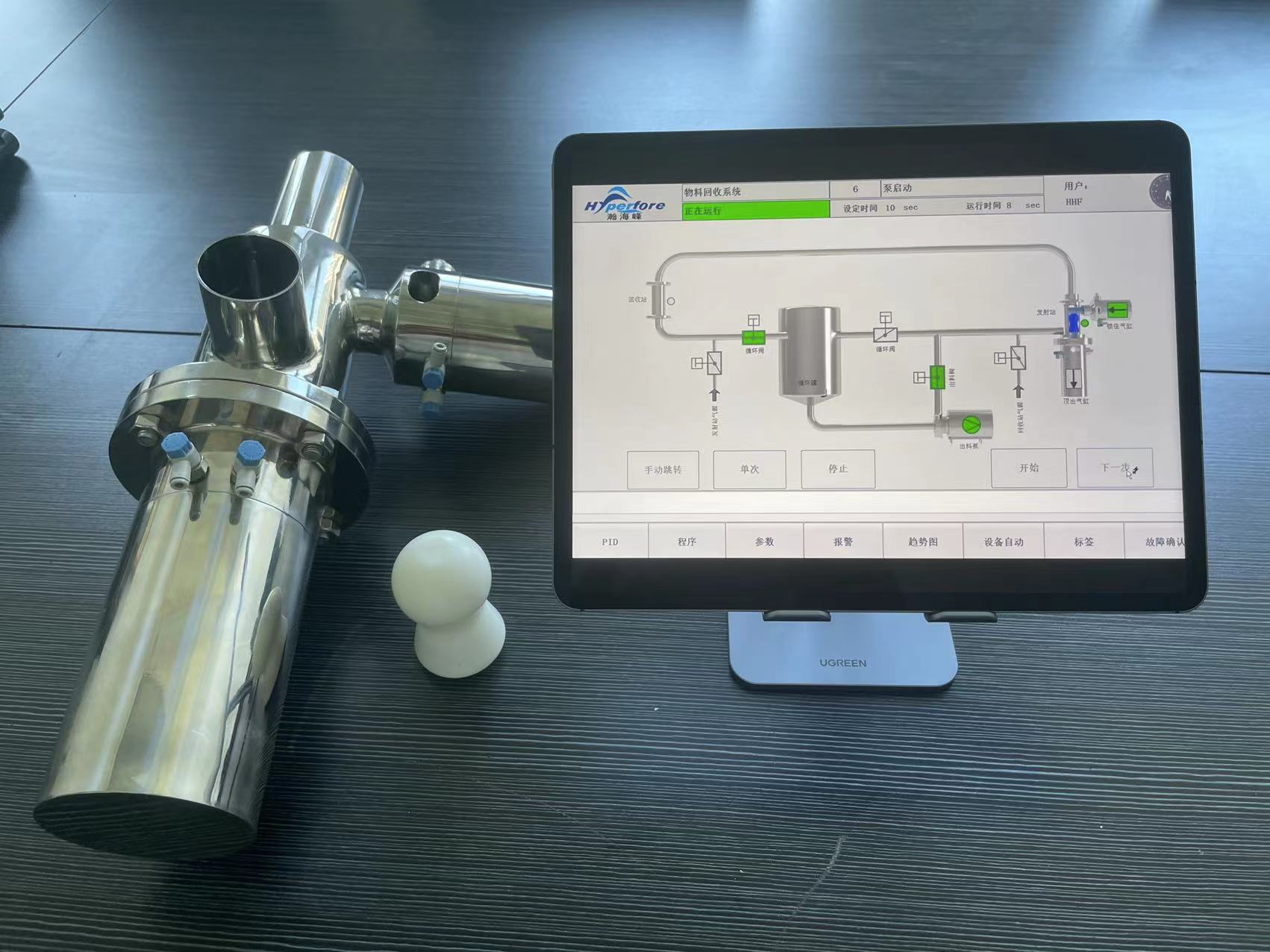
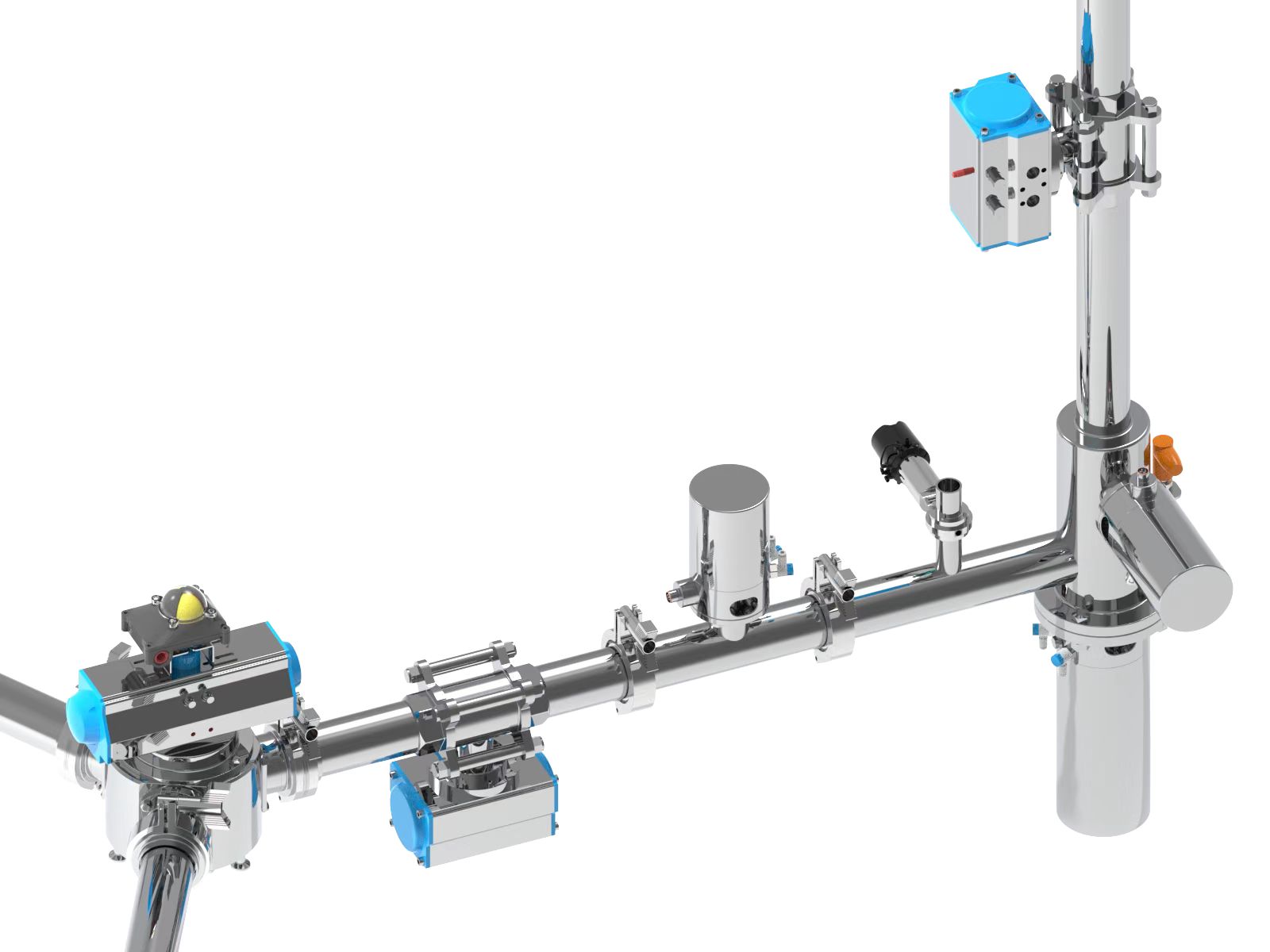
Upholding impeccable hygiene within nourishment processing facilities is fundamental, particularly when it comes to pipes used for delivering liquids. Pristine scrubbing offers a effective solution. This cutting-edge technique involves inserting a pig – often a elastic device – into the pipework to dislodge deposits, including bacteria, and enhance complete hygiene. Benefits include mitigated threat of infection, boosted good taste, and amplified procedural output. Elements for practice include pig construction compatibility with the item and duct assembly.
- Lowers taint likelihood.
- Enhances item excellence.
- Expands production productivity.
Piping Innovations: Optimizing Effectiveness and Controlling Byproducts
Pigging systems offer a considerable advancement in duct workflow for various enterprises, particularly within the oil and processing sectors. By propelling a “pig,” a purpose-built instrument, through the arrangement, fouling are cleaned out, recovering flow rate and reducing product wastage. This leads to a reduced expenditure and a more eco-friendly strategy to equipment oversight.
This Future Pertaining to Pipelines: Researching Robotic Pigging Solutions
This path regarding pipeline control is quickly being altered by robotic pigging solutions. Traditionally, pigging processes have relied on operator-controlled intervention, but the progress involving autonomous pigs promises augmented efficiency, curtailed downtime, and advanced safety. These state-of-the-art systems leverage detectors, data, and algorithmic intelligence to patrol pipelines self-sufficiently, spotting defects and performing scouring tasks with notable precision. Forecasting widespread use, automatic pigging represents a key step aiming at a more durable pipeline grid globally.
Pipeline Clearing vs. Physical Washing
Maintaining tube sanitation within the beverage industry presents a considered challenge. Historically, non-automated washing has been the routine method, relying on laborers to personally scrape debris and filth. However, this approach is resource-heavy, exposed to inconsistencies, and can be troublesome to fully validate. Hygienic rinsing, on the other hand, offers a advanced alternative. This technology utilizes a instrument propelled through the conduit to clean deposits, providing a enhanced and uniform scrubbing process. Key variations include:
- Expense: Human sanitation often involves elevated labor outlays, while pigging has opening investment reduced overall expenditures.
- Effectiveness: Purging typically offers heightened efficiency compared to human methods.
- Confirmation: Affirming the depth of sterilization is more straightforward with purging due to data logging capabilities.
- Security: Operator-based washing can expose operators to potentially hazardous conditions, whereas flushing mitigates this danger.
Installing an Motorized Pigging Process: Successful Techniques
Correctly implementing an mechanized pigging platform requires meticulous organization and adherence to established best standards. To begin, carry out a extensive study of your conduit to discover the definitive barriers requiring pigging. This covers assessing the category of filth, the zone of blockages, and the general health of the equipment. Subsequently, decide on a pigging installation compatible for your unique operational requirements.
Moreover, focus on extensive teaching for technicians employed in the execution method. This is necessary to include instruction on safe handling of the machinery and familiarity of unforeseen responses.
- Periodically check the implement and linked elements for degradation.
- Create a reliable upkeep schedule.
- Document all pigging events and relevant details.
- Review the outcome on duct volume and material consistency.
To conclude, ongoing assessment and tuning of the process campaign are vital for achieving performance and enhancing the duct’s employable active period.
Diagnosing Frequent Hurdles in Uncontaminated Purging Configurations
Effective activity of sanitary pigging frameworks often involves proactive fixing. Regularly, obstructions linked to plugging are seen, which can be cured through meticulous inspection using appropriate machinery. Additionally, flow restrictions denote defective scraper seals or conduit breaking down. Routine maintenance, including apparatus replacement and physical consideration of duct shape, is critical to limit stoppages and preserve highest output.
Mechanized Purging Systems for Technical Pipes
Automated purging offers substantial advantages for functional pipes, significantly enhancing operational capacity. Such tool provides a multitude of pluses, including reduced interruptions, minimized support costs, and improved substance value.
- Reduced line diminution leading to power cuts.
- Enhanced tube reliability, combating fouling.
- Improved volume by scraping deposits.
- Boosted security for operators and the context.
Budgetary Effects with Uncontaminated and Self-Propelled Cleaning Methods
Implementing spotless and machine-driven pigging processes offers substantial budgetary relief for duct operators. These pioneering technologies minimize fluid loss due to remaining product, significantly reducing discard. Beyond item recovery, scrubbing solutions lower the frequency of preplanned tube shutdowns for maintenance, translating to increased operational efficiency. Furthermore, the minimized need for hands-on work and cleanser necessity further strengthens the overall fiscal sanitary pigging system benefit of your function.
- Cut Output Loss
- Boosted Output Runtime
- Diminished Operator Involvement Spending