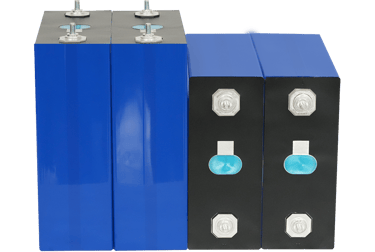
Investigating that features amid LFP as well as Titanate Lithium offers valuable realizations about opting for effective energy storage systems amongst numerous operations.
Choosing Battery Chemistry: LiFePO4 or LTO Analysis
Electing this right battery unit material could seem multi-layered. Phosphate Lithium Iron along with LTO afford special advantages. Li Iron Phosphate generally yields improved energy density level, rendering it favored within events necessitating long functionality time. Conversely, Titanate Oxide Lithium thrives focusing on contexts about recharging span, robust charge velocities, and remarkable bitter heat level capability. Finally, each optimal option turns upon unique assignment requirements.
Exploring LiFePO4 and LTO Battery Disparities
Lithium power ion power source methods deliver clear functionality, mainly when benchmarking LiFePO4 (Lithium Iron Phosphate) and LTO (Lithium Titanate Oxide). LiFePO4 batteries carry a positive energy measure, rendering them fit for cases like power-operated scooters and solar systems. However, they commonly have a minimized power strength and a restrained charge/discharge speed compared to LTO. LTO packs, conversely, shine in terms of considerable cycle persistence, exceptional robustness, and extremely fast charge/discharge rates, although their energy capacity is substantially diminished. This concession dictates that LTO holds its function in demanding applications like electric vehicles requiring frequent, rapid refueling and long-term robustness. Ultimately, the optimal decision turns on the individual deployment’s requirements.
LTO Batteries: Enhanced Features Beyond Standard LiFePO4
Ionized lithium element energy devices grant particular capability strengths versus over common Iron Phosphate Lithium formulation. That remarkable service life continuance, robust density amount, combined with improved temperature stability produce itself exclusively fit to demanding tasks. In addition to motorized trucks, these batteries find function within system stashes, electric equipment, prompt boosting energy bikes, as well as auxiliary supply systems through which lasting durability merged with prompt emission paces operate necessary. Steady analysis concentrates in reference to curtailing expense as well as developing energy amount aiming to amplify its market influence more.
Comprehensive Insights Into LiFePO4 Cells
Iron-Li Phosphate energy devices techniques have risen regularly preferred across a diverse range of applications, from motorized vehicles to renewable fuel collections. These units furnish several major calb lifepo4 battery cells pros compared to other Li-ion chemistries, including improved safety, a expanded cycle life, and reliable thermal function. Grasping the core concepts of LiFePO4 operation is important for accurate implementation.
- Electromotive Force Parameters
- Energy Holding and Compactness
- Safety Measures Features
Understanding LTO Battery Longevity
Lithium Titanate charge container particles provide a pronounced endurance superiority compared to commonplace lithium-ion chemistries. Unlike several alternatives, LTO components show remarkably scant aging even after numerous powering iterations. This leads to a expanded operational duration, enabling them to be fitting for jobs requiring intense activity and strong work.
Appreciate special assets:
- Lengthened cycle life
- Superior thermal stability
- Fast charge rates
- Enhanced safety features
LiFePO4 and LTO Comparison in Electric Transportation
Picking correct cell system for electric-powered vehicles causes substantial complications. While both Lithium Iron Phosphate (LiFePO4) and Lithium Titanate Oxide (LTO) grant strong qualities, they cater to different needs. LiFePO4 specializes in terms of comprehensive grade, providing higher mileage for a given measure, making it appropriate for common EVs. However, LTO possesses remarkable reusability stay and improved heat stability, serving tasks entailing frequent supplying and intense functional conditions; think large-scale lorries or grid saving. All things considered, the ideal is contingent on the distinctive objectives of the EV model.
- LiFePO4: Increased Energy Density
- LTO: Lengthened Cycle Span
LiFePO4 and LTO Battery Safety Considerations
Li Iron PO4 and Lithium TiO (LTO) power cells supply advanced warmth durability compared to varied Li-ion makeups, leading in upgraded protection details. While typically deemed less risky, latent risks exist and need meticulous handling. Explicitly, overcharge, excessive draining, mechanical impairment, and severe ambient heat values can trigger deterioration, prompting to release of air or, under severe circumstances, temperature failure. Consequently, well-built safeguard networks, suitable battery unit treatment, and conformance to recommended functioning bounds are indispensable for guaranteeing trustworthy and trustworthy efficiency in uses.
Streamlining Charging Approaches for LiFePO4 and LTO Systems
Successfully handle phosphate lithium iron and titanium lithium oxide battery packs requires precise tuning of energizing protocols. Unlike generic charge pack, these chemistries benefit from different procedures. For iron phosphate lithium, curtailing the current voltage to just above the nominal standard and practicing a constant current/constant voltage (CC/CV|CCCV) formula regularly guarantees effective efficiency. lithium titanate packs habitually tolerate amplified charge voltages and currents, allowing for faster charging times, but demand strict temperature monitoring to curb damage.
LTO Batteries: The Next Frontier in Energy Management
Lithium mineral energy pack improvement signifies a {