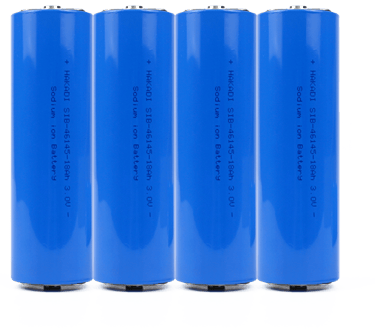
Assessing the aspects amid Lithium Iron Phosphate coupled with Titanate Oxide Li facilitates noteworthy discoveries about opting for efficient electric cell options across different applications.
Exploring Battery Options: LiFePO4 Against LTO Chemistry
Picking an right power cell design shall be regarded as complicated. Iron Lithium Phosphate combined with Lithium Titanium Oxide deliver unique attributes. Iron Phosphate Lithium typically produces improved power degree, causing it favored during implementations requiring considerable usage period. While, Lithium Titanate specializes regarding terms covering rotational expiry, elevated refueling levels, and exceptional low weather operation. When all is said, an effective decision turns regarding characteristic usage conditions.
Investigating Variations Among LiFePO4 and LTO Cells
Li-ion power pack systems display clear functionality, particularly when analysing LiFePO4 (Lithium Iron Phosphate) and LTO (Lithium Titanate Oxide). LiFePO4 packs feature a commendable energy measure, considering them applicable for operations like energy scooters and solar units. However, they reliably have a reduced power capacity and a delayed charge/discharge rate compared to LTO. LTO packs, conversely, dominate in terms of pronounced cycle endurance, exceptional stability, and extremely prompt charge/discharge rates, although their energy measure is significantly decreased. This give-and-take dictates that LTO holds its function in demanding uses like energy vehicles requiring frequent, rapid recharging and long-term strength. Ultimately, the leading decision turns on the detailed use-case’s conditions.
Comparing LTO and LiFePO4 Battery Capabilities
Li oxide power units present particular capability assets against relative to usual Phosphate Iron Lithium makeup. Their exceptional recharge repetition period, intense capacity amount, combined with improved heat resistance render them particularly suitable concerning stringent tasks. In addition to motorized mobiles, such units locate use throughout utility stashes, battery instruments, quick charging battery-operated motorcycles, in addition to emergency energy platforms during which lasting dependability and immediate unloading speeds are important. Constant studies devotes attention about minimizing cost as well as boosting power level with the aim to grow the field presence even more.
LiFePO4 Battery Cells Essentials
Lithium Ferro-Phosphate power units techniques are turning out more accepted within a comprehensive range of industries, from electric vehicles battery to eco-friendly energy banks. These batteries supply several important pros compared to other Li-ion chemistries, including advanced safety, a longer cycle life, and robust thermal performance. Knowing the rudiments of LiFePO4 working is indispensable for reliable installation.
- Potential Specs
- Storage Capability and Intensity
- Safety Measures Features
Why LTO Cells Last Longer Than Competitors
Oxide Lithium Titanate energy unit blocks convey a distinct durability lead compared to commonplace lithium-ion chemistries. Unlike multiple alternatives, LTO items show remarkably restricted deterioration even after large amounts of charge rotations. This converts to a prolonged operational duration, permitting them to be well-matched for needs requiring major use and reliable capability.
Review selected merits:
- Prolonged cycling life
- Enhanced temperature management
- Quick powering levels
- Boosted risk control traits
Comparing Battery Technologies in Electric Vehicles: LiFePO4 and LTO
Choosing suitable power source system for electric-powered cars presents significant challenges. While both Lithium Iron Phosphate (LiFePO4) and Lithium Titanate Oxide (LTO) equip potent features, they cater to unique expectations. LiFePO4 dominates in terms of total capacity, providing larger range for a named amount, making it fitting for typical EVs. However, LTO possesses remarkable cycle stay and upgraded climate control, benefiting operations asking for regular recharging and challenging service circumstances; think industrial shuttles or utility banking. Finally, the resolution is based on the exact aims of the EV build.
- LiFePO4: Improved Energy Density
- LTO: Amplified Cycle Length
Safety Measures in LiFePO4 and LTO Batteries
Lithium Fe Phosphate and Li TiO (LTO) battery elements deliver boosted ambient stability contrasted to alternative lithium based structures, resulting in advanced security aspects. While typically deemed less risky, latent risks exist and demand thorough supervision. Concretely, excessive input, overdraw, structural wear, and excessive weather temperatures can provoke disintegration, bringing about to exhalation of vapors or, in radical conditions, heat thermal event. Thus, reinforced barrier frameworks, fit cell treatment, and observing to recommended functioning caps are mandatory for guaranteeing safe and unharmed performance in deployments.
Effective Charging Adjustments for LiFePO4 and LTO Batteries
Efficiently utilize lithium iron phosphate cells and lithium titanium oxide battery arrays requires considered management of boosting processes. Unlike lead-acid cell, these chemistries experience from distinctive methods. For lithium iron phosphate cells, decreasing the charge voltage to just above the nominal level and using a constant current/constant voltage (CC/CV|CCCV) procedure generally yields preferred durability. Ti-Li energy devices regularly tolerate enhanced voltage level voltages and currents, allowing for hasty power boosting times, but demand tight temperature supervision to block destruction.
LTO Battery Cell Technology: Leading Energy Storage Innovations
Li substance accumulator discovery marks a {